In my family, we’ve always lived by the rule that we never end on a fall. As a kid, it didn’t seem particularly profound because it was just something we always did. If I fell while I was skating, I got up and tried it again. If I took a fall while learning a new water sport, I took a breather on the boat and did another run. When I hit something with my car, my dad came for a drive with me so I got behind the wheel again the very next day.
As an adult, I’m realizing the profound impacts of this mindset. The sooner you try something again after a fall or a failure, the less time fear has to set in and convince you you can’t do it. Fear wants to keep us safe, so it uses a negativity bias to emphasize scary experiences, even when we’ve done the same thing safely hundreds of times before. If you aren’t committed to not ending on a fall, fear can convince you you’re going to fail if you try again, which limits your potential for positive experiences.
For example, the summer I was learning to wakeboard, I took a fall that was particularly bad. It was the kind of fall that knocks all the air out of you, which is especially scary when you’re in the water. After the fall, I could have chosen not to have another ride that day. I would have gone back to the cabin, had a nice dinner, probably sat around the campfire and I would have had a good day overall. However, the whole time my brain would be subconsciously internalizing the fear from that last ride. By the time I woke up the next morning, I might have felt like I still didn’t want to go again. The longer I waited, the scarier it would get and, eventually, I might decide wakeboarding just isn’t for me. In that case, I would have missed out on countless days sharing the joy of this activity with my friends and family. Instead, I got in the boat and took a few minutes to recover. I made sure I was physically okay and I mentally prepared to try again. The run I did might have been more cautious but I did it, so that my last memory of wakeboarding was a positive one.
Not ending on a fall might seem like a simple concept, especially in that example where I wasn’t seriously hurt and where there are many other ways I could have enjoyed spending my days with friends and family, even if I didn’t wakeboard anymore. However, practicing not ending on a fall for the ‘small’ stuff prepares you for the big stuff.
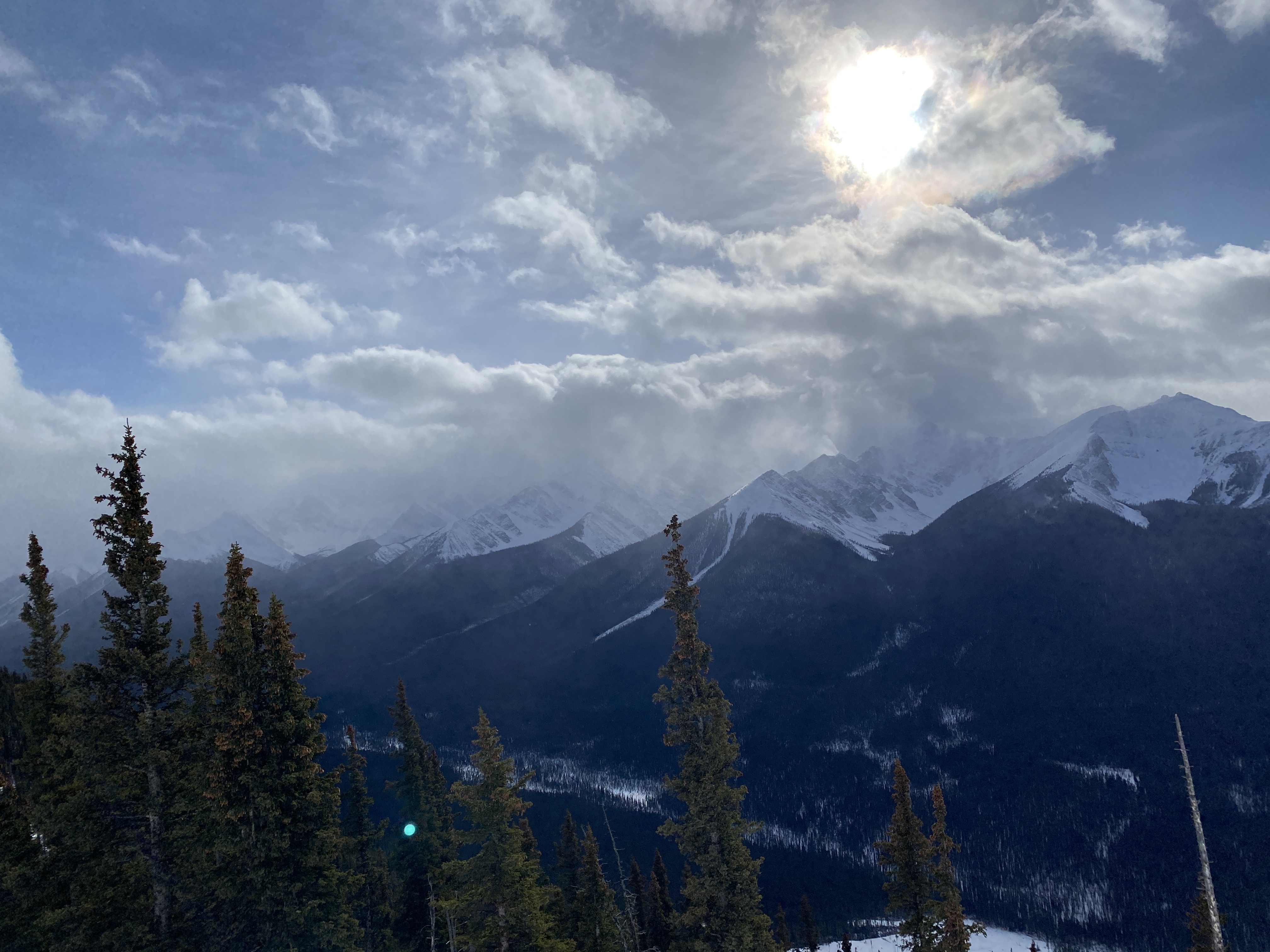
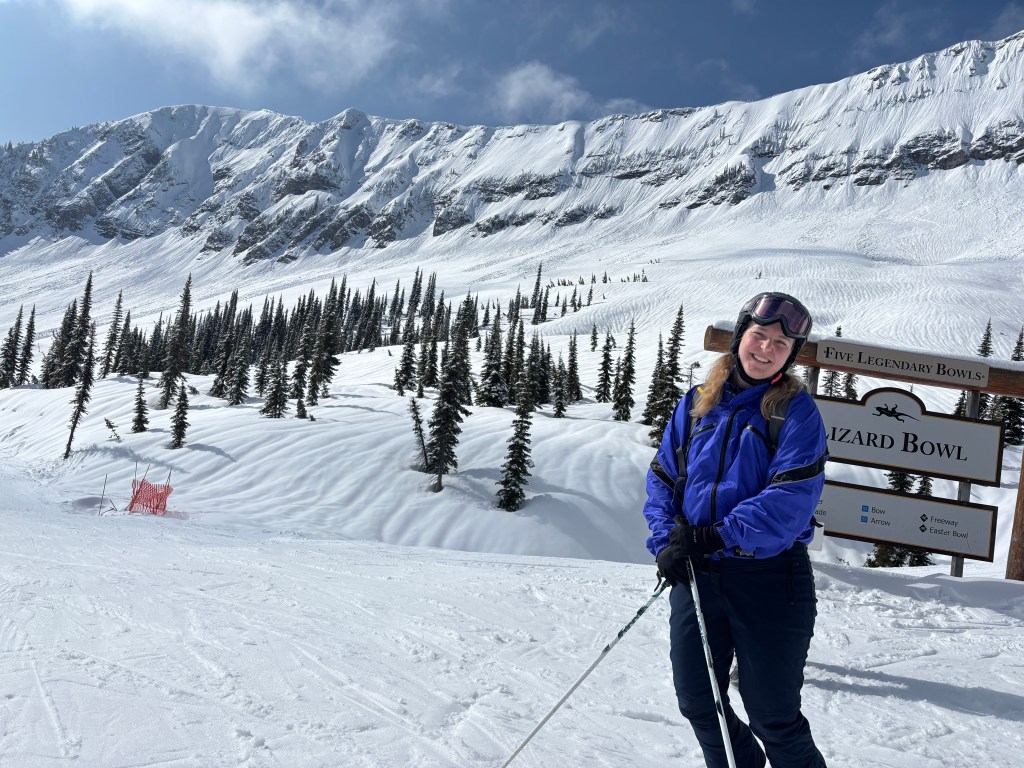
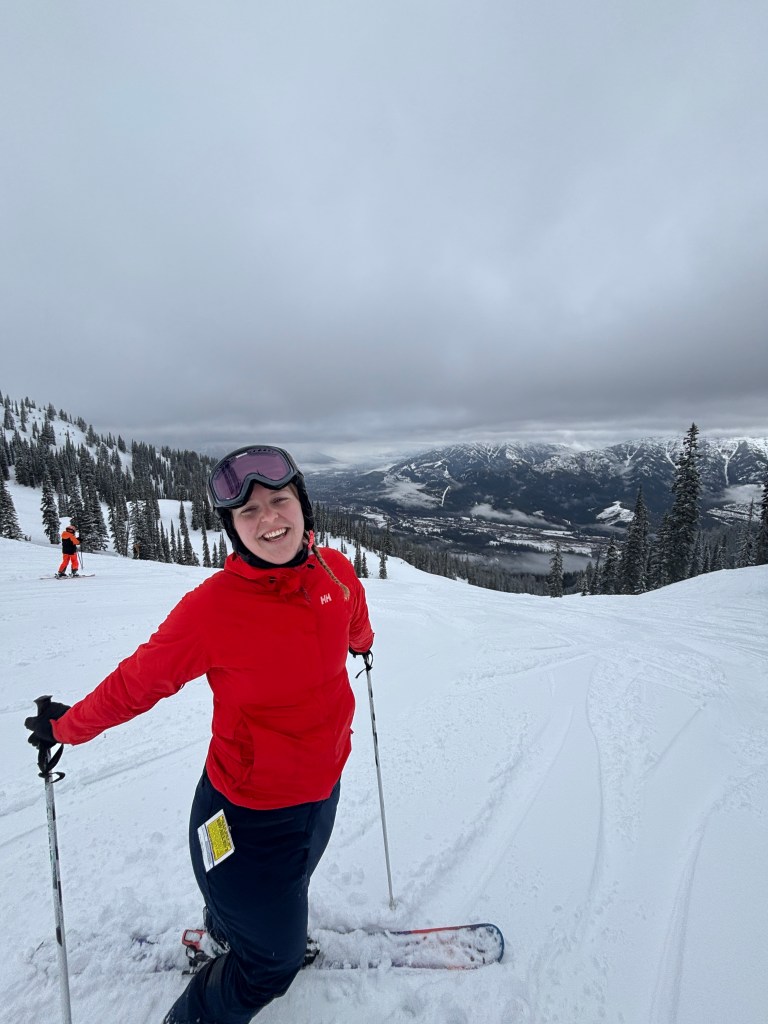
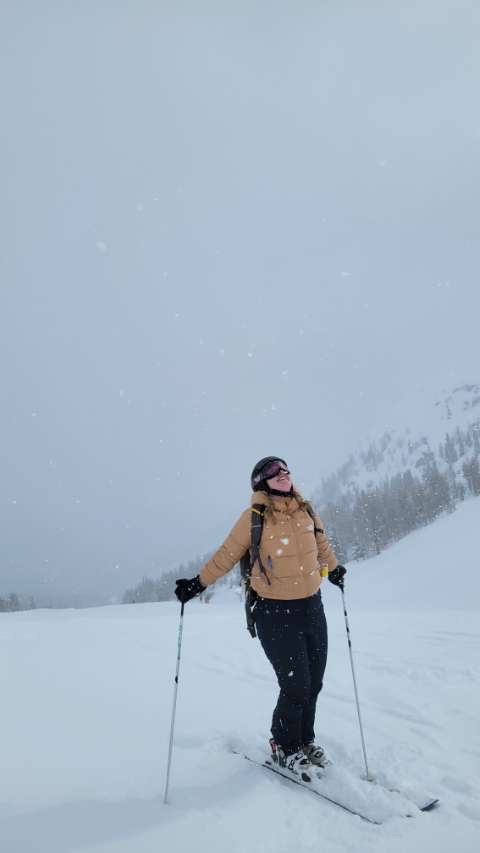
This past week, I went to the mountains and had a beautiful ski day. The day filled me with so much joy, it’s indescribable. I love being in the mountains and fluffy snow and the feeling of flying down the hill. This day had all three, but I wouldn’t have been able to experience it if I hadn’t committed to not ending on a fall seven years ago.
Seven years ago, I broke my back in five places while training with my downhill ski racing team. It was a devastating injury. I needed a major surgery, I have pins and rods in my spine and I wore a back brace for months. I spent years rebuilding my strength and managing chronic pain. It was the kind of injury that made people assume I might never ski again, but, because I had been practicing not ending on a fall for my whole life, my family and I knew it was never a question of if I would ski again but when.
That’s how, one year later, I was sitting in a chalet doing up my ski boots again for the first time since my injury. I was terrified. It felt like there was something sitting on my chest pushing out all the air. My heart was pounding and the noises in the chalet felt overwhelmingly loud, like I couldn’t hear myself think. But, since I’d been practicing not ending on a fall my whole life, I knew what I had to do. I got myself to the bottom of the chairlift, rode up and skied down.
When I got to the bottom, I was elated, full of joy, pride and a lot of relief. Every time I’ve skied since then, it’s gotten a little bit easier and, now, I can enjoy carefree days skiing in the mountains.
Not ending on a fall always means working through some level of discomfort or fear but what I’ve learned through my experience is that the fear is always temporary and the potential for joy is endless.









 Torie Tells Stories
Leave a reply to Torie Wotton Cancel reply